Buy parkingaeroport.eu ?
We are moving the project
parkingaeroport.eu .
Are you interested in purchasing the domain
parkingaeroport.eu ?
domain@kv-gmbh.de · 0541-91531010
Buy parkingaeroport.eu ?
What is a reverse bias?
Reverse bias is a condition in which the voltage applied to a diode or other semiconductor device is in the opposite direction to the normal or forward bias. In this state, the diode blocks current flow and acts as an insulator. Reverse bias is commonly used in electronic circuits to control the flow of current and protect components from damage. It is an essential concept in understanding the behavior and characteristics of diodes and other semiconductor devices. **
What is the difference between a diode in forward bias and a diode in reverse bias?
A diode in forward bias allows current to flow through it, as the positive voltage applied to the anode allows the electrons to move towards the positive terminal. In reverse bias, the diode blocks the current flow as the negative voltage applied to the anode repels the electrons, creating a depletion region that prevents current from passing through. In summary, the main difference is that a diode in forward bias allows current to flow, while a diode in reverse bias blocks current flow. **

Similar search terms for Reverse bias
Top-Angebote
Products related to Reverse bias:
-
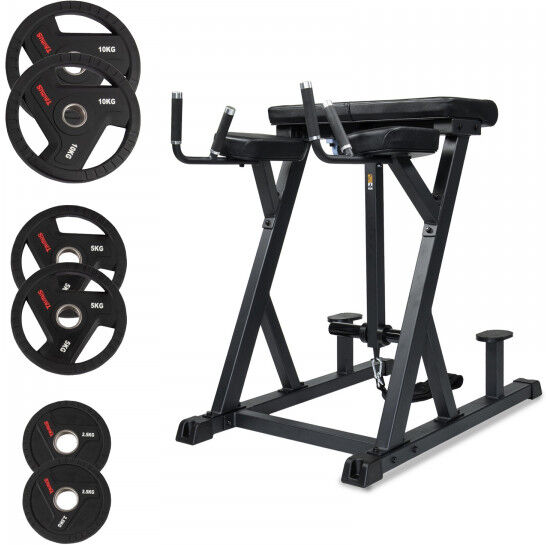
Taurus Pro Iso Reverse Hyper Extension Reverse Hyper + 35kg TPU PlatesINTRODUCING THE TAURUS REVERSE HYPEREXTENSION Perfect for sculpting your lower back, glutes and hamstrings (also known as the posterior chain), the Taurus Pro Iso Reverse Hyper Extension is the commercial solution for your gym. Equipped with comfortable, ergonomic padding and rubberised grips the...576,84 £*Shipping: 0,00 £Secure redirect to the provider


-
Why does a diode conduct in reverse bias at negative voltage?
A diode conducts in reverse bias at negative voltage due to the presence of minority charge carriers in the semiconductor material. When a diode is reverse biased, the majority charge carriers are pushed away from the junction, leaving behind a region of minority charge carriers near the junction. When a negative voltage is applied, it creates an electric field that sweeps these minority charge carriers across the junction, allowing for a small amount of current to flow in the reverse direction. This phenomenon is known as the reverse saturation current. **
-
What is the resistance of a silicon diode in reverse bias?
In reverse bias, a silicon diode has a very high resistance, typically in the megaohm range. This is because the majority carriers are pushed away from the junction, creating a depletion region with very few charge carriers. As a result, there is a high resistance to the flow of current in the reverse direction. This property makes silicon diodes useful for applications such as rectification and voltage regulation. **
-
What happens if I want to operate an LED in reverse bias?
If you operate an LED in reverse bias, it will not emit light. In fact, the LED will act as a regular diode and block the flow of current. This is because the p-n junction of the LED is designed to allow current to flow in the forward bias direction, which causes the emission of light. However, in reverse bias, the p-n junction blocks the flow of current, preventing the LED from emitting light. **
-
Is reverse perpendicular parking difficult?
Reverse perpendicular parking can be difficult for some people, especially if they are not used to it or lack confidence in their spatial awareness. It requires good judgment and control of the vehicle while maneuvering into a tight space. However, with practice and patience, most drivers can become proficient at reverse perpendicular parking. It's important to take your time, use your mirrors and rearview camera if available, and be aware of the surrounding vehicles and obstacles. **
Can you unlearn reverse parallel parking?
Yes, it is possible to unlearn reverse parallel parking. Unlearning a skill involves consciously breaking down the learned behavior and then retraining the brain with a new behavior. This can be achieved through practice, repetition, and focused attention on the new technique. With dedication and effort, it is possible to unlearn and relearn reverse parallel parking or any other skill. **
Is reverse parking a big problem?
Reverse parking can be a challenge for some drivers, especially those who are less experienced or have difficulty judging distances. It can be particularly difficult in tight or crowded spaces. However, with practice and proper technique, reverse parking can become easier. Some drivers may find it more challenging than others, but with patience and practice, it can be overcome. **
Top-Angebote
Products related to Reverse bias:
-
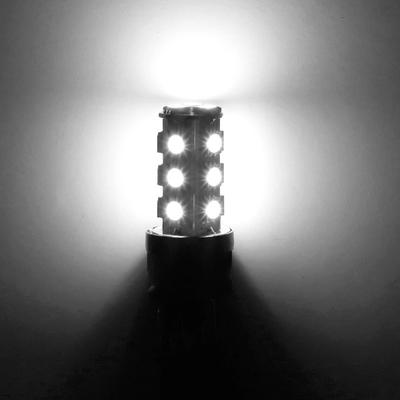
Drop Dash Deals LED Brake Signal Light Bulbs, Super White 12V, DRL, Tail Reverse Parking Light LED Brake Signal Light Bulbs, Super White 12V, DRL, Tail Reverse Parking LightUpgrade Your Vehicle Lighting with Super White LED Reverse Tail Brake Signal Light Bulbs Illuminate your cars exterior with these 10 pcs Super White LED Reverse Tail Brake Signal Light Bulbs. Designed for enhanced brightness, each bulb features 18...49,97 $*Shipping: 0,00 $Secure redirect to the provider
-
Lush Living Finds Super White LED Tail Brake Stop Turn Signal Reverse Parking Light Bulbs DC Super White LED Tail Brake Stop Turn Signal Reverse Parking Light Bulbs DCUpgrade your vehicles visibility and safety with these 4Pcs 1157 LED Tail Brake Stop Reverse Parking Turn Signal Light Bulbs in Super White. Designed with a powerful 33SMD 2835 chipset, these bulbs offer significantly brighter illumination than...23,97 $*Shipping: 0,00 $Secure redirect to the provider
-
Taurus Pro Iso Reverse Hyper Extension Reverse Hyper + 35kg TPU PlatesINTRODUCING THE TAURUS REVERSE HYPEREXTENSION Perfect for sculpting your lower back, glutes and hamstrings (also known as the posterior chain), the Taurus Pro Iso Reverse Hyper Extension is the commercial solution for your gym. Equipped with comfortable, ergonomic padding and rubberised grips the...576,84 £*Shipping: 0,00 £Secure redirect to the provider
-
What is a reverse bias?
Reverse bias is a condition in which the voltage applied to a diode or other semiconductor device is in the opposite direction to the normal or forward bias. In this state, the diode blocks current flow and acts as an insulator. Reverse bias is commonly used in electronic circuits to control the flow of current and protect components from damage. It is an essential concept in understanding the behavior and characteristics of diodes and other semiconductor devices. **
-
What is the difference between a diode in forward bias and a diode in reverse bias?
A diode in forward bias allows current to flow through it, as the positive voltage applied to the anode allows the electrons to move towards the positive terminal. In reverse bias, the diode blocks the current flow as the negative voltage applied to the anode repels the electrons, creating a depletion region that prevents current from passing through. In summary, the main difference is that a diode in forward bias allows current to flow, while a diode in reverse bias blocks current flow. **
-
Why does a diode conduct in reverse bias at negative voltage?
A diode conducts in reverse bias at negative voltage due to the presence of minority charge carriers in the semiconductor material. When a diode is reverse biased, the majority charge carriers are pushed away from the junction, leaving behind a region of minority charge carriers near the junction. When a negative voltage is applied, it creates an electric field that sweeps these minority charge carriers across the junction, allowing for a small amount of current to flow in the reverse direction. This phenomenon is known as the reverse saturation current. **
-
What is the resistance of a silicon diode in reverse bias?
In reverse bias, a silicon diode has a very high resistance, typically in the megaohm range. This is because the majority carriers are pushed away from the junction, creating a depletion region with very few charge carriers. As a result, there is a high resistance to the flow of current in the reverse direction. This property makes silicon diodes useful for applications such as rectification and voltage regulation. **
Similar search terms for Reverse bias
-
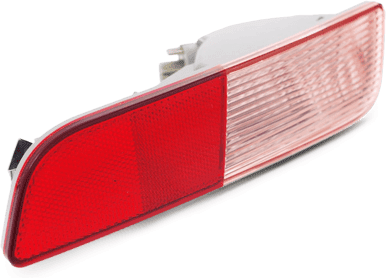
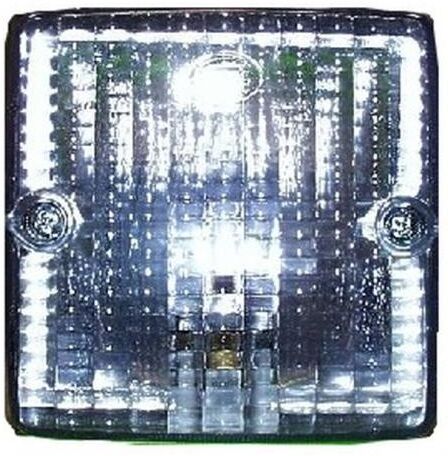
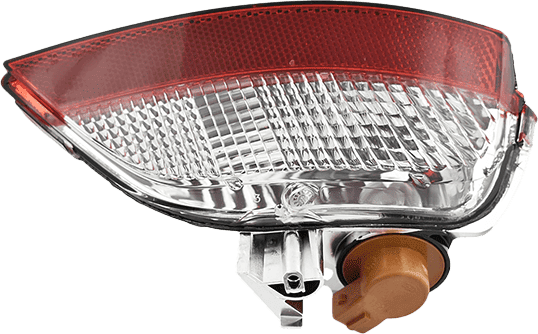
ULO 1701008 Reverse lightQuality: OEM, ORIGINAL; Thread Size: M5x15; Lamp Type: H1; Light Design: FF; Registration Type: ECE approved; Light Function: with reverse light; Outer Diameter [mm]: 98; Mounting Type: Bolted, Fitting; Left-/right-hand drive vehicles: for left-hand drive vehicles, for right-hand drive vehicles; Housing Type: with housing; Supplementary Article / Supplementary Info: with bulb; Rated Voltage [V]: 24; Fitting Depth [mm]: 95,4; Supplementary Article / Supplementary Info Info 2: without cable, with plug; Lens Colour: Crystal clear; Power Consumption [W]: 21; Number of light functions: 1; Fitting Position: Rear Axle, Front Axle15,99 £*Shipping: 8,45 £Secure redirect to the provider
-
What happens if I want to operate an LED in reverse bias?
If you operate an LED in reverse bias, it will not emit light. In fact, the LED will act as a regular diode and block the flow of current. This is because the p-n junction of the LED is designed to allow current to flow in the forward bias direction, which causes the emission of light. However, in reverse bias, the p-n junction blocks the flow of current, preventing the LED from emitting light. **
-
Is reverse perpendicular parking difficult?
Reverse perpendicular parking can be difficult for some people, especially if they are not used to it or lack confidence in their spatial awareness. It requires good judgment and control of the vehicle while maneuvering into a tight space. However, with practice and patience, most drivers can become proficient at reverse perpendicular parking. It's important to take your time, use your mirrors and rearview camera if available, and be aware of the surrounding vehicles and obstacles. **
-
Can you unlearn reverse parallel parking?
Yes, it is possible to unlearn reverse parallel parking. Unlearning a skill involves consciously breaking down the learned behavior and then retraining the brain with a new behavior. This can be achieved through practice, repetition, and focused attention on the new technique. With dedication and effort, it is possible to unlearn and relearn reverse parallel parking or any other skill. **
-
Is reverse parking a big problem?
Reverse parking can be a challenge for some drivers, especially those who are less experienced or have difficulty judging distances. It can be particularly difficult in tight or crowded spaces. However, with practice and proper technique, reverse parking can become easier. Some drivers may find it more challenging than others, but with patience and practice, it can be overcome. **
* All prices are inclusive of VAT and, if applicable, plus shipping costs. The offer information is based on the details provided by the respective shop and is updated through automated processes. Real-time updates do not occur, so deviations can occur in individual cases. ** Note: Parts of this content were created by AI.